Menu
  Eoin Cox
  • Home
  • About Me
  • Work
  • Spoutin Aff
  • Home
  • About Me
  • Work
  • Spoutin Aff

Once a digger ....

7/6/2020

1 Comment

 
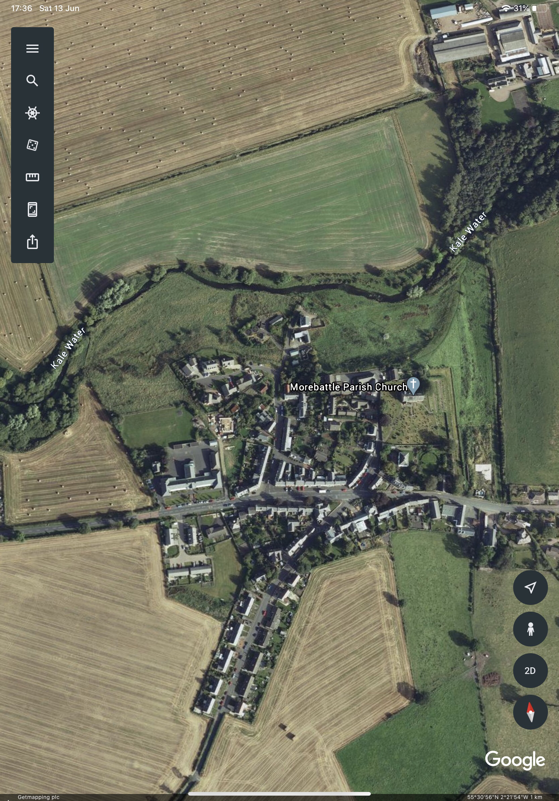
A church is recorded in Morebattle (mere bottle = a dwelling place on a lake) or ‘Mereboda’ by 1116 AD. It was part of the diocese of Glasgow and was for a while in the Middle Ages, the seat of the Archdeacon of Teviotdale. Virtually nothing is left of this building, although a plan in the porch shows traces of its foundations uncovered in 1915. Like many buildings in the area, the church was put to the torch by English soldiers during the ‘Rough Wooing’ in 1544, Henry VIII’s attempt to force the Scots to marry Mary, Queen of Scots to his son. By 1757 the old building was ruinous and the present church was erected in the local red sandstone. Extensions made in 1899.

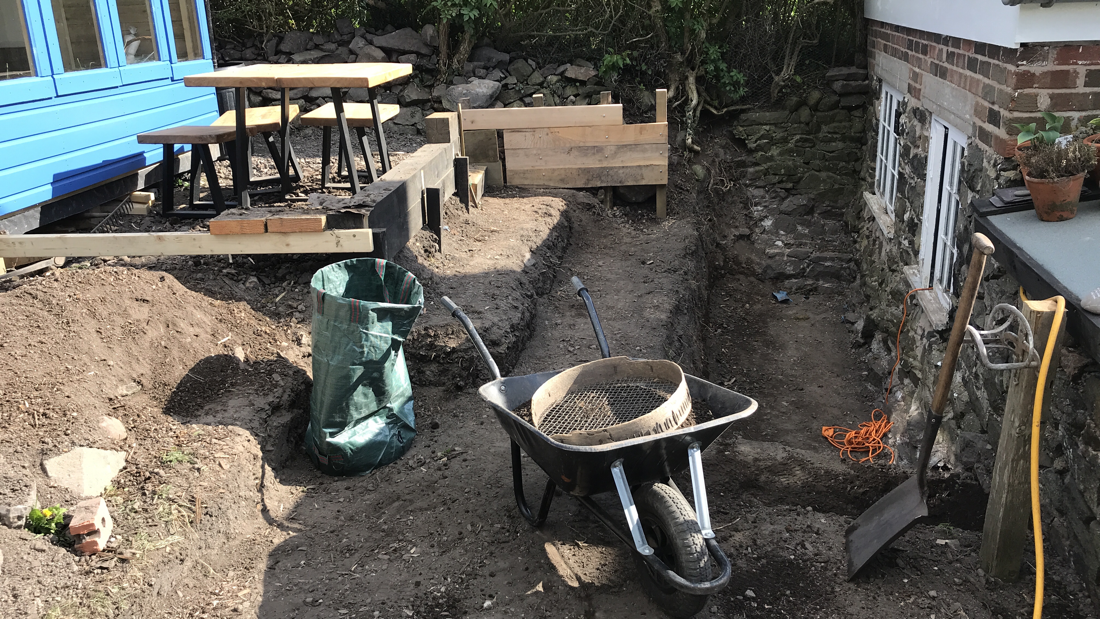
Whilst I’ve been confined to home with this pandemic it’s given me the chance to get stuck into my neglected garden. I just haven’t had the time in the past few years to spend in it. I used to love it and have always grown in raised beds having been taught by my grannnies. So I’ve been making a few changes and given it a proper makeover.

The house is fairly old (c1790), small and is on the end of a set of three two storey “tenements”. Which once sat round one of the village wells. It was the village green but has now been incorporated in gardens by the houses looking over it. My garden is to the back of the house described as being as a yard and byre in the earliest house deeds.

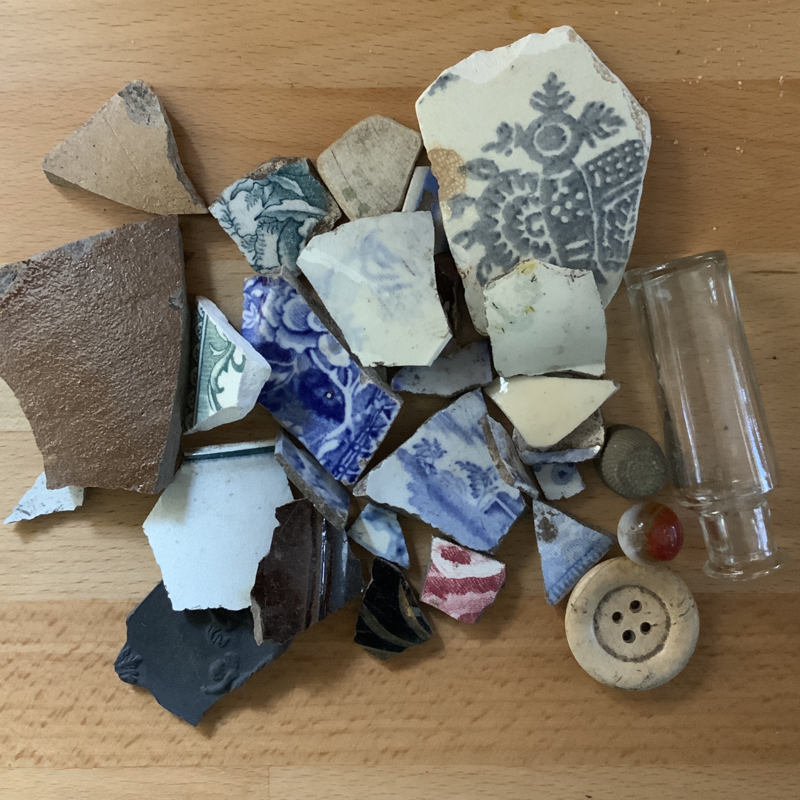
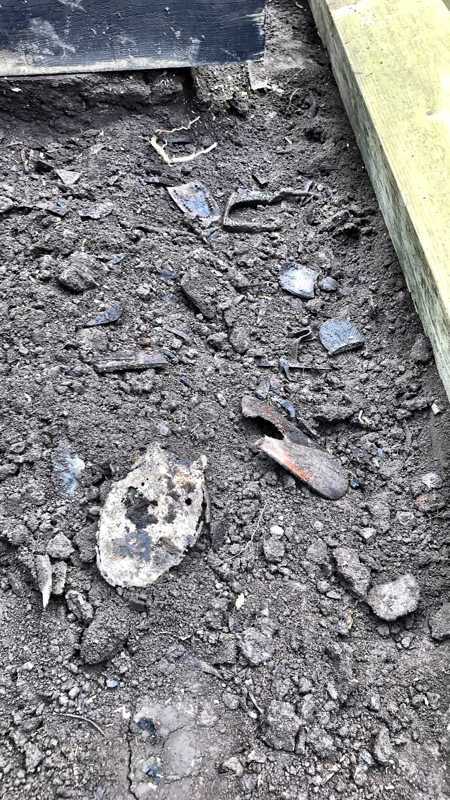
So digging down through what is a long slope in ground level I’ve been pulling up all the usual modern to Victorian stuff you’d expect from bed springs to horse shoes, glass, more glass and of course assorted decorated ceramics. There is a 50mm layer of cobblers “waste” with loads of boot, shoe trimmings, leather and sort of rubbery stuff, heels and soles, segs, tacks and heel trims. Obviously there was a cobbler in the house at one point just dumping the stuff round the back for years.

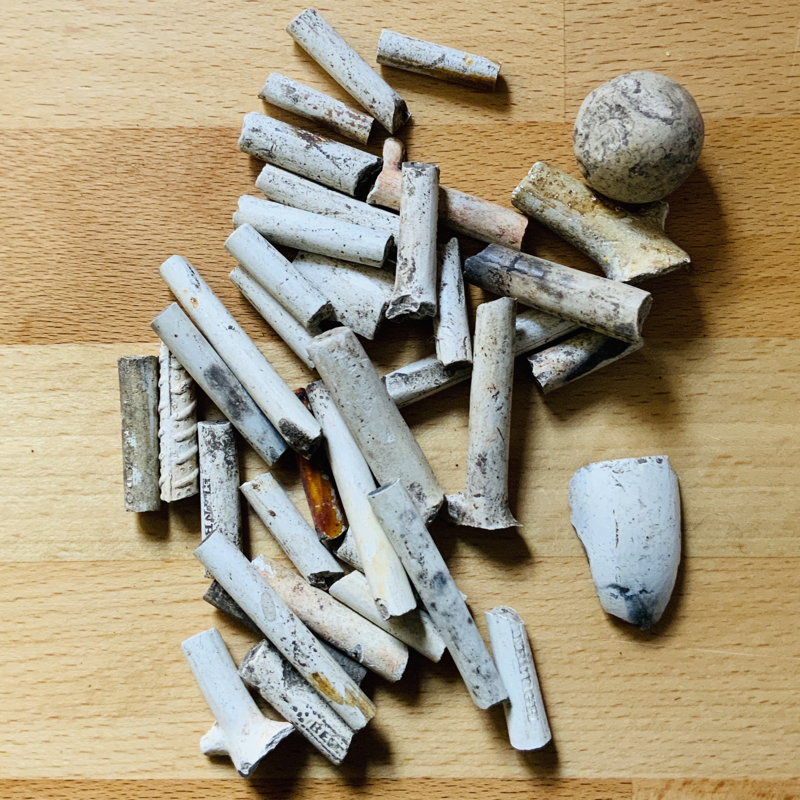
Below and amongst that layer more pottery and clay pipes. So getting good dating material now to about mid 18th century. This overlies a really compacted layer with an abundance of crushed red sandstone. The new church lies about seventy metres at the top of the garden slope. Being one of the only red sandstone buildings in the village it can only be assumed that it’s the working debris from masonry activity from the construction of the church in the mid 1750’s.

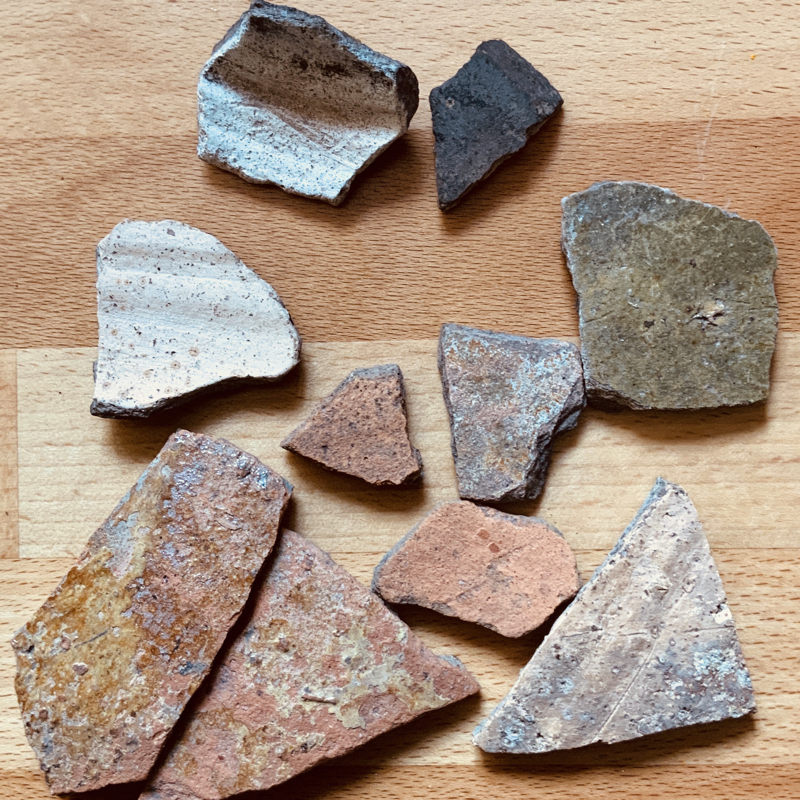
This church build layer is cut by the back wall of the house so that makes sense to a late 1700’s build to our whinstone random rubble house build. Below this layer it gets a bit more interesting. Undisturbed charcoal and animal bone rich layers about 300mm deep lying directly onto the natural yellow/ red boulder clay. This deep layer of occupation yielded quite a few pieces of unabraded 12/13th century white gritty ware ceramic. Some glazed, well-made and thin walled. Many belonging to the medieval pottery group known a Straight-sided cooking pots. This ware is most commonly found at or associated with high status ecclesiastical sites. So really all points to a medieval level sloping down off the early medieval church site.

My own mini-excavation in my back garden. Well chuffed I’ve established dates and storyline. One a digger - always a digger !
1 Comment
Alan Sunderland
8/10/2020 09:09:38 pm

hi Eoin,
Thanks for the kind offer this morning (on dog walk) of looking at the pottery I’ve found on our plot. Cant see a link to your email on this site. Please s end and I’ll reply with some photos. Alan

Reply

Your comment will be posted after it is approved.


Leave a Reply.